



The AI infrastructure boom is creating the largest hardware refresh cycle the enterprise IT industry has ever seen. AI hardware refreshes are accelerating e-waste growth. Learn how lifecycle extension, refurbished IT, and responsible ITAD reduce environmental and financial costs.


This comprehensive guide explains the differences between Read Intensive, Write Intensive, and Mixed Use Solid State Drives (SSDs). SSDs are a type of data storage device that use NAND-based flash memory to store and retrieve data. Each type of SSD has a unique combination of read and write performance, endurance, and cost, making them suitable for different workloads and use cases. The guide covers important factors to consider when selecting an SSD, such as workload type, capacity requirements, and budget, and provides insights into the pros and cons of each SSD type. By the end of the guide, readers will have a better understanding of which type of SSD is the most suitable for their specific needs.

Explore the differences between ECC and non-ECC memory, why ECC memory is critical for financial, medical, and business data, and compliance with regulatory standards.

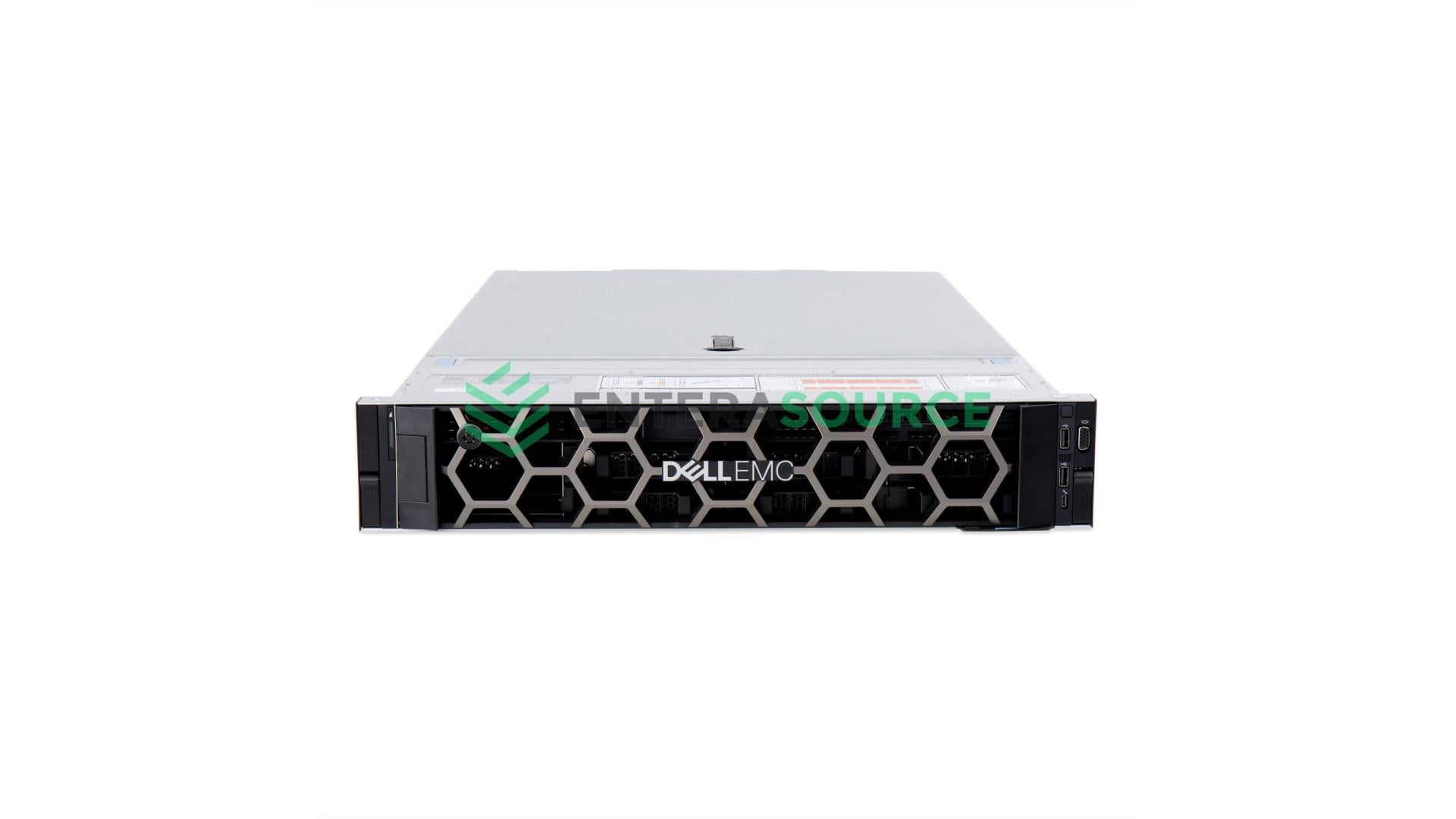
Struggling to decide between new and refurbished servers? This article compares the cost, quality, warranty, performance, support, and reliability of both options, showing why refurbished servers can be a wise and sustainable investment for your business.

Are you struggling to understand RAID storage and its various levels? Whether you're new to the world of data management or a seasoned pro, RAID storage can be a bit overwhelming. But fear not! In this comprehensive guide, we'll break down everything you need to know about RAID storage, including its benefits, drawbacks, and different RAID levels. By the end of this guide, you'll have a clear understanding of how RAID storage works and how it can help you manage your data more effectively. So, let's get started!

Learn about SAN, NAS, and DAS storage solutions and their advantages and disadvantages. Discover which one suits your business needs based on factors like scalability, data access speed, and budget.